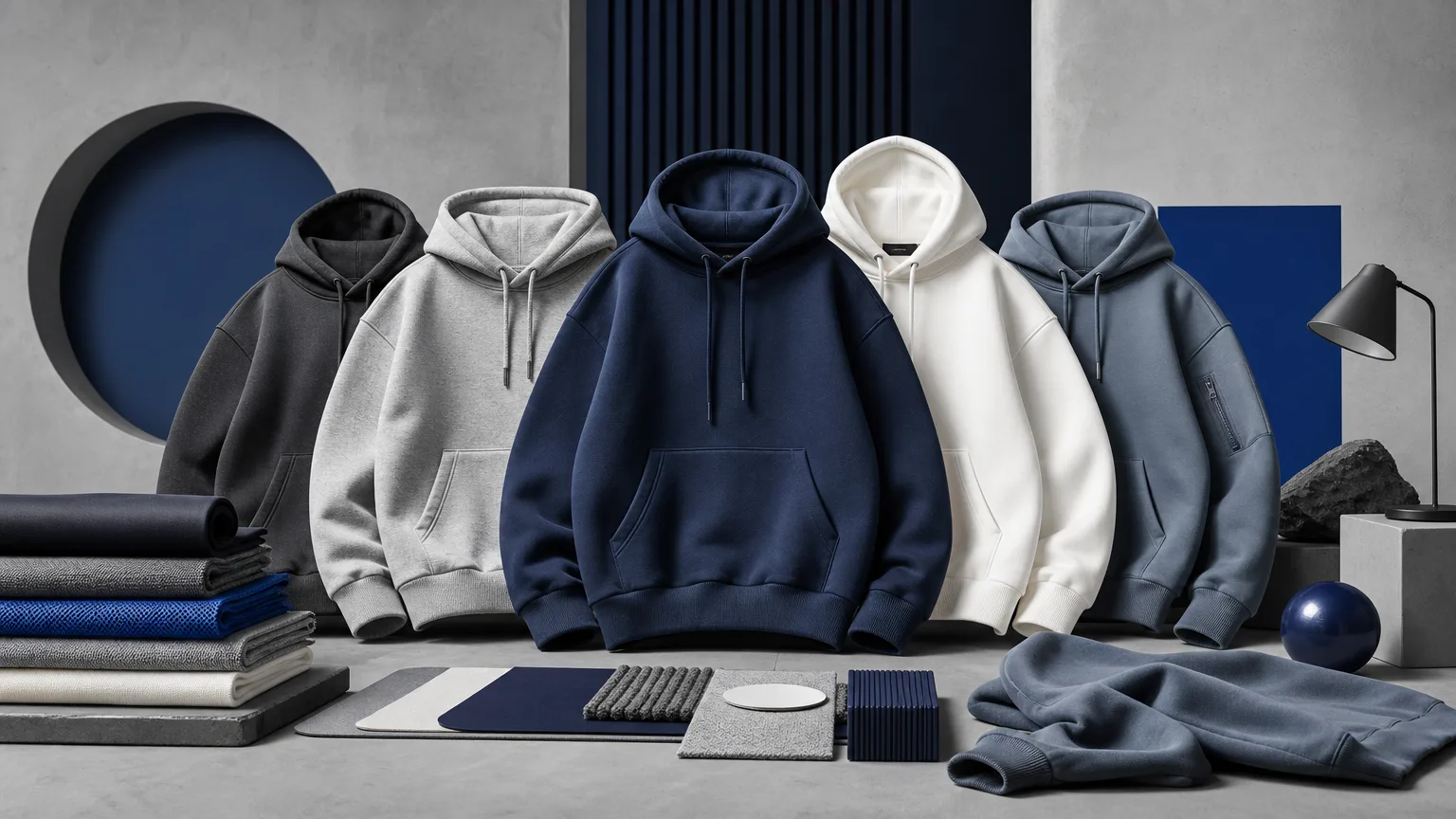
Hoodie trends are easiest to understand through details rather than brand names. Shape, fabric, colour and graphics determine how a hoodie looks and how easily it fits into an existing wardrobe.
This month’s watchlist is a guide to those details. It is not a claim that every example is popular everywhere, and it is not a ranking of products. Use it to identify what you like before you compare individual listings.
Relaxed shapes with a controlled fit
Roomier hoodies remain useful because they work over T-shirts and under larger jackets. The important detail is balance. A wide body with an excessively long hem can look accidental, while a relaxed body with a more controlled length creates a clearer silhouette.
When checking a listing, do not rely only on labels such as “oversized.” Compare the listed chest, length and shoulder measurements with a hoodie you already own. Two sellers can use the same fit label for very different measurements.
Heavy-looking fabric and cleaner structure
Structured hoodies photograph differently from thin, soft layers. The hood stands higher, the body keeps more shape and the cuffs tend to look more defined. That visual weight can work well as the main layer of an outfit.
Fabric weight is only useful when the listing explains it clearly. A close-up image can help you inspect texture, but it cannot confirm composition or durability. Read the material information and care instructions on the external listing before buying.
Washed and muted colours
Faded black, grey, brown, deep green and dusty neutral tones are worth watching because they combine easily with denim, cargo trousers and simple trainers. The appeal often comes from a softer, worn-in surface rather than a bright colour statement.
Wash effects can vary from one item to another. If the external listing describes a garment-dye or wash process, check whether colour variation is expected and whether the care instructions warn about transfer or fading.
Smaller graphics with intentional placement
Large front graphics are not the only route to a distinctive hoodie. Small chest marks, sleeve details and back graphics can create a cleaner front while keeping visual interest from another angle.
Inspect every product image to understand placement and scale. A cropped product photo can make a small graphic look larger than it is. Measurements or full-body images give better context when available.
Zip hoodies as flexible layers
Zip hoodies are useful when the weather changes through the day. They can be worn open, closed or under a coat without changing the rest of an outfit. Double zips and two-way openings add another styling option, but they also introduce hardware that should be checked carefully.
Look at zipper alignment, pull shape and the way the front panels meet. The external listing should state whether the zip is single or two-way rather than leaving you to infer it from one image.
Minimal hoodies built around proportion
Plain hoodies put more attention on cut, fabric and finishing. Without a large logo or graphic, details such as the hood shape, pocket position, rib width and sleeve volume become more visible.
This is where comparison helps. Save several candidates, then view their measurements and product photos side by side. A simple product is not automatically interchangeable with another simple product.
How to use the watchlist
Start with the detail that matters most to you: fit, weight, colour, graphic placement or layering. Then use Explore to compare relevant finds without letting one product image decide everything.
Before following an external listing through checkout, confirm the current size options, materials, total cost and platform policies. Trends can guide discovery, but the live product details should guide the purchase decision.
XXL Finds does not sell products directly. We only show product links from external platforms.